
Introduction
Selecting the right hydraulic steering unit is important for safe and stable steering performance in tractors, forklifts, loaders, harvesters and other mobile machinery. A steering unit may look simple from the outside, but the correct choice depends on displacement, system type, pressure, flow, port connection, mounting style and the working conditions of the machine.
This hydraulic steering unit selection guide is written for purchasing teams, repair workshops, machinery manufacturers and hydraulic parts distributors who need a practical way to compare options before requesting a quotation.
If you are comparing hydraulic steering products for a new build or replacement project, you can also review our hydraulic steering units category page for available product series.
What Is a Hydraulic Steering Unit?
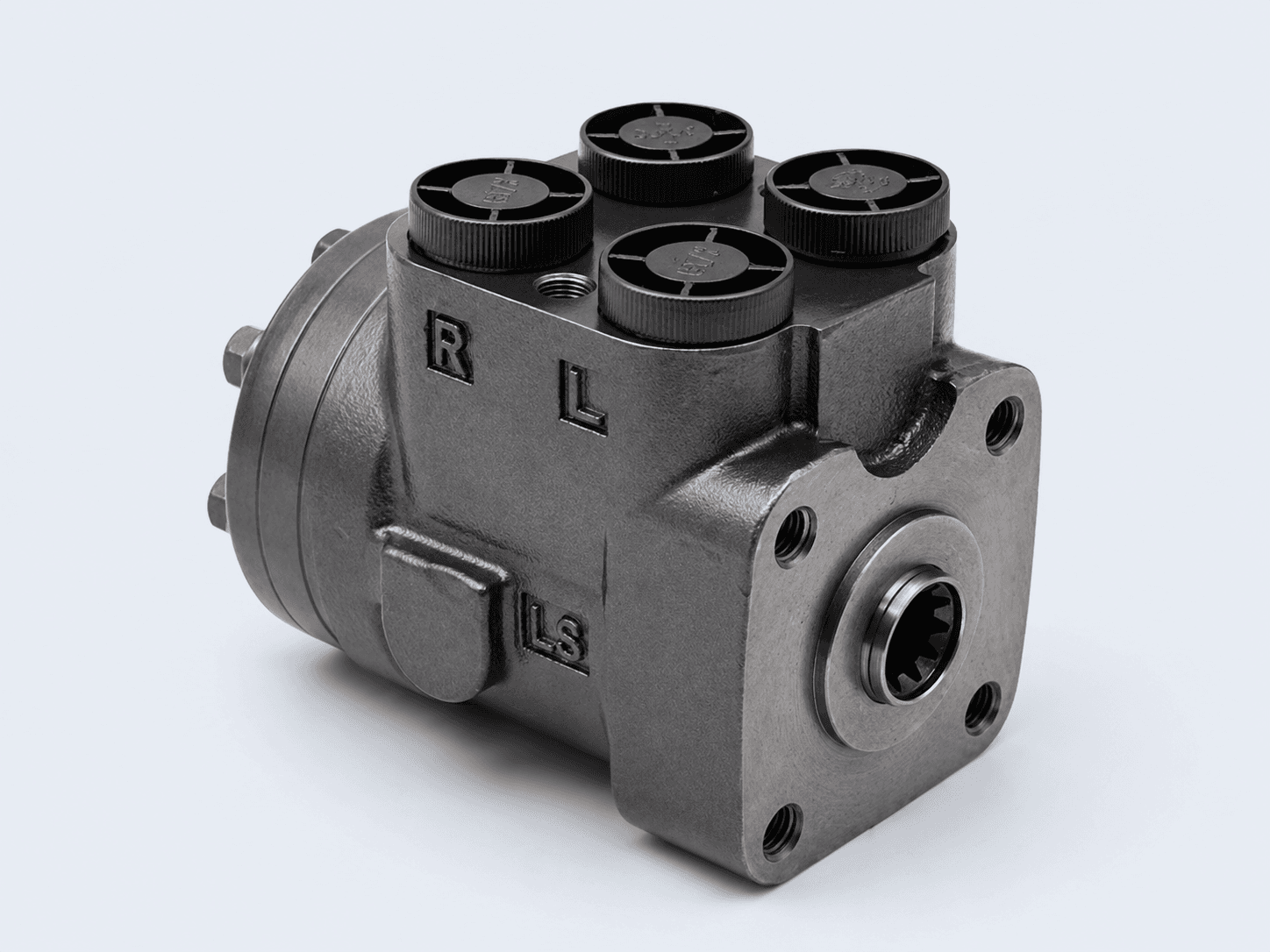
A hydraulic steering unit, also called a hydraulic steering control unit, controls oil flow from the steering wheel to the steering cylinder. It converts steering wheel movement into hydraulic flow so the machine can turn with reduced manual effort.
Hydraulic steering units are commonly used in agricultural tractors, forklifts, construction machinery, road maintenance equipment, harvesting machinery and other vehicles that require compact hydraulic steering control. The steering unit is normally selected together with the pump, cylinder, priority valve and hydraulic circuit design.
Key Factors When Selecting a Hydraulic Steering Unit
Machine Application
The first step is to confirm the machine type and working environment. A tractor steering unit, forklift steering unit and mobile machinery steering unit may require different displacement, valve options, port direction and mounting dimensions. Steering load, tire size, axle design and duty cycle should all be considered.
Displacement cc/rev
Displacement is usually expressed in cc/rev. It affects how much oil is delivered to the steering cylinder for each turn of the steering wheel. A larger displacement can move more oil per revolution, while a smaller displacement may require more steering wheel turns. The correct value depends on cylinder volume, steering angle and desired steering response.
For detailed cylinder-volume formulas and steering wheel turn calculations, see our Hydraulic Steering Unit Displacement Calculation Guide.
Hydraulic System Type: Open Center, Closed Center, Load Sensing
Hydraulic steering units must match the hydraulic circuit. Common system types include open center, closed center and load sensing systems. Selecting the wrong circuit type may cause steering instability, oil heating, poor response or incorrect system pressure behavior.
Pressure and Flow
Pressure and flow should be checked against the steering unit specification and the machine hydraulic system. Too little flow may make steering slow. Too much flow or excessive pressure may affect service life or system stability. When requesting a quote, provide pump flow, working pressure, relief pressure and any known steering circuit data.
Port and Thread Type
Port position and thread type must match the machine piping. Common selection details include port quantity, port direction, thread standard and fitting size. Photos of the original steering unit and close-up images of the oil ports are useful when the model number is incomplete.
Mounting and Shaft Type
Mounting dimensions, bolt pattern, pilot diameter and steering column shaft connection should be checked before ordering. Even if displacement and system type are correct, a different mounting pattern or shaft type can prevent installation.
Reaction or Non-Reaction Type
Some steering systems require a reaction type steering unit, while others use non-reaction type designs. The difference affects steering wheel feedback and system behavior. If you are replacing an existing unit, confirm the original model number or provide a clear nameplate photo so the correct type can be checked.
Common Selection Mistakes
- Selecting only by appearance without checking displacement or circuit type.
- Ignoring port thread and mounting dimensions.
- Using an incomplete model number without photos or machine information.
- Assuming all 101S steering unit models have the same valve options or port layout.
- Not confirming pressure, flow and hydraulic system type before purchase.
Hydraulic Steering Unit Selection Checklist
| Item to Confirm | What to Prepare |
|---|---|
| Machine type | Tractor, forklift, loader, harvester or other mobile machinery |
| Existing model number | Full model code or nameplate photo from the current steering unit |
| Displacement | cc/rev value or original specification |
| System type | Open center, closed center or load sensing |
| Port thread | Thread standard, port size and port direction |
| Pressure and flow | Working pressure, relief pressure and pump flow if available |
| Mounting type | Bolt pattern, pilot diameter, shaft type and steering column connection |
| Photos needed | Nameplate, front view, side view, ports and installation position |
For more technical articles, you can visit our Hydraulic Components Resources page.
Why Choose YUNLINK HYDRAULICS
YUNLINK HYDRAULICS supplies hydraulic steering units and related hydraulic components for agricultural machinery, forklifts, construction equipment and other mobile machinery applications. Our team can help buyers check model information, application conditions and basic selection details before quotation.
For replacement inquiries, we recommend sending the existing model number, clear product photos, port details and machine application. This helps reduce selection mistakes and improves quotation accuracy.
Contact / RFQ CTA
If you need help selecting a hydraulic steering control unit, please send us your model number, photos or application details. YUNLINK HYDRAULICS will review the information and provide a suitable quotation based on the confirmed requirements.